calue7173@gmail.com

“Poverty and Poverty of Spirit” – PART 3

Can spiritual devotion become a barrier to God? In Part 3, we explore Matthew’s “poverty of spirit” as a radical critique of spiritual elitism. This post deconstructs the hidden pride of the “religious overachievers” and defines true spiritual bankruptcy. Through a candid personal reflection on the trap of religious ego, discover why being “poor in spirit” is not optional—but the only way to inherit the Kingdom of Heaven.

“Poverty and Poverty of Spirit” – PART 3 Read More »

Brothers and Sisters: A Title that Shatters Status and Caste

The titles “Brother” and “Sister” in the early church were not mere greetings; they were revolutionary declarations that shattered the Roman social hierarchy. Author Jo Bee Soo provocatively suggests stripping away modern church titles that have become new castes and returning to the original horizontal order of Christ.

Brothers and Sisters: A Title that Shatters Status and Caste Read More »

“Poverty and Poverty of Spirit” – PART 2

What does it mean to call a “beggar” blessed? In this second part of our series, we delve into the radical social critique of Luke’s version of the Beatitudes. By exploring the original Greek term ptōchos, we confront the sharp tension between the Kingdom of God and “Prosperity Theology.” Discover why Jesus’ words remain a profound discomfort for both modern seekers of wealth and those who equate faith with material success.

“Poverty and Poverty of Spirit” – PART 2 Read More »

Embracing the Material World: The ‘Thorny Path of Interpretation’ Chosen by Christian Theology

Why did Christianity reject the interpretive convenience of Dualism in order to affirm the material world?
This essay explores the sacred refraction introduced by the Incarnation and the fateful task of theology: to interpret a world marked by both divine goodness and undeniable suffering.

Embracing the Material World: The ‘Thorny Path of Interpretation’ Chosen by Christian Theology Read More »

“Poverty and Poverty of Spirit” – Part 1

Why do Matthew and Luke record Jesus’ Beatitudes differently?
Is it a simple discrepancy, or a profound theological intention?
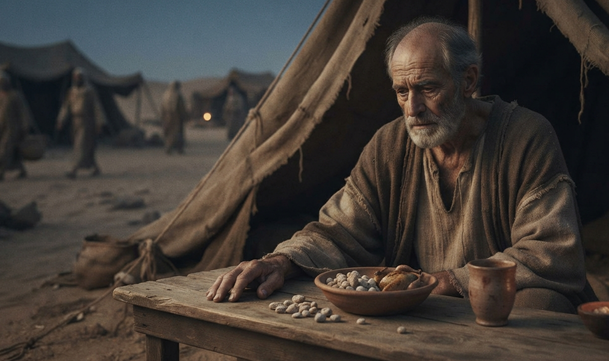
This post explores the “Preacher’s Wisdom” behind the Gospels, revealing how the biblical writers contextualized the message of the Kingdom for their specific audiences. By examining ancient currency units and socioeconomic backgrounds, we discover why attention to the audience is the key to unlocking the true meaning of “blessedness.”

“Poverty and Poverty of Spirit” – Part 1 Read More »

The Beatitudes and the Reorientation of Happiness (sermon)

Why does Jesus begin the Sermon on the Mount by redefining happiness itself? The Beatitudes overturn conventional standards of blessing, success, and fulfillment. This sermon explores why the ethics of the Kingdom cannot even begin to be practiced unless our very definition of “happiness” is fundamentally reoriented.

The Beatitudes and the Reorientation of Happiness (sermon) Read More »

 Adam Review Notes – Vol.2

This short text will appear in search results and social media previews to entice readers to click.
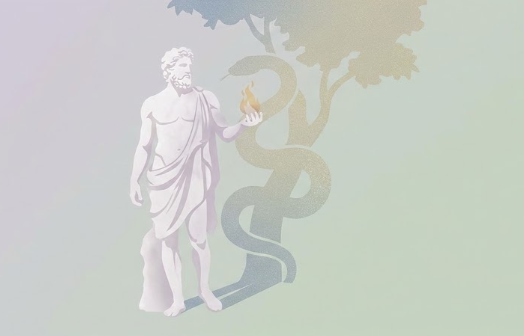
“A divine paradox hidden in plain sight. In Genesis 3:5, the serpent promises god-like status, and in 3:22, God confirms it. Did Adam truly fail, or did he achieve something we’ve misunderstood for centuries? Revisit the Garden through a 30-year theological journey that challenges the traditional narrative of the Fall.“

 Adam Review Notes – Vol.2 Read More »

Weakness (The Thorn in the Flesh)

“My grace is sufficient for you.”
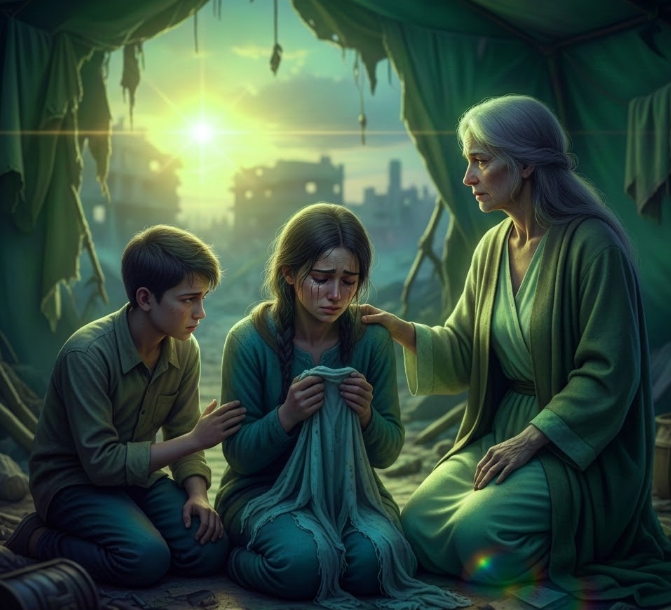
By examining the cultural context of the Apostle Paul’s time, this essay explores the spiritual tension of carrying a weakness that society labeled as a curse. Discover why the preservation of our flaws can sometimes be a greater grace than their removal—and how Paul’s ancient struggle becomes a source of present comfort for us.

Weakness (The Thorn in the Flesh) Read More »